
 Available in US
Loading...
AT&T Stadium — Dallas’ World Cup 2026 Venue With the Most Matches
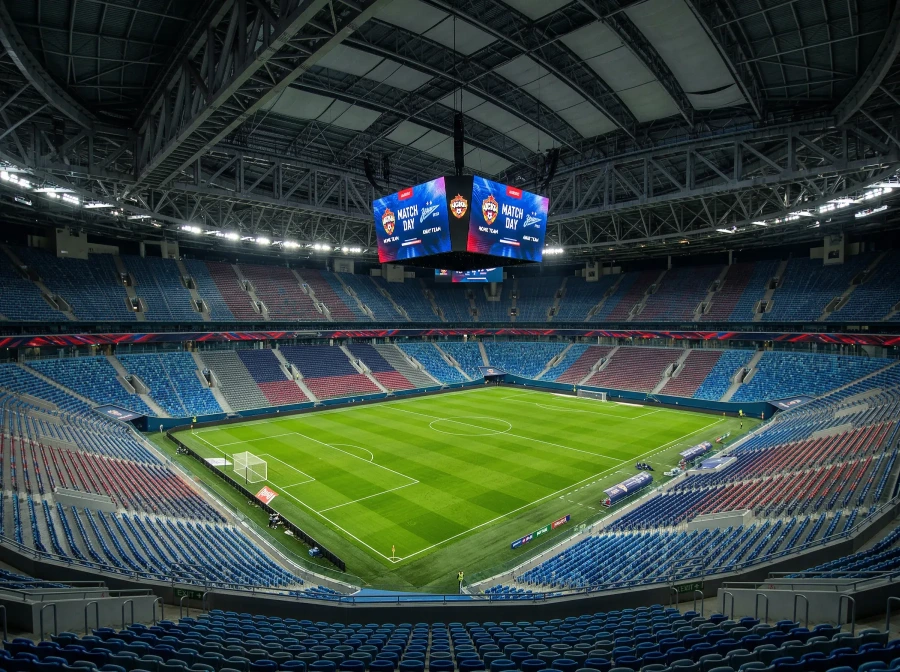
Nine matches. No other venue at the 2026 World Cup hosts as many fixtures as AT&T Stadium in Arlington, Texas. That volume tells you everything about the venue’s significance to FIFA’s tournament plan — a massive, modern, retractable-roof stadium in the heart of the Dallas-Fort Worth metroplex, capable of seating over 80,000 fans in climate-controlled comfort while June temperatures outside push past 35 degrees Celsius. For bettors tracking venue-specific patterns across the tournament, AT&T Stadium’s nine-match sample provides the richest single-venue dataset of any ground at the 2026 World Cup.
About AT&T Stadium
Opened in 2009 as the home of the NFL’s Dallas Cowboys, AT&T Stadium cost US$1.3 billion and was the most expensive sports venue in the world at the time of construction. The retractable roof — a massive structure that opens along the stadium’s north-south axis — allows climate control in a region where summer temperatures regularly exceed 38 degrees Celsius. For the World Cup, the roof will likely remain closed for most matches, creating a fully air-conditioned environment that neutralizes Dallas’ brutal June heat as a competitive variable.
That climate control has specific betting implications. While outdoor venues in Texas, Florida and Mexico will see heat-related performance degradation — particularly in second halves of afternoon kickoffs — AT&T Stadium’s controlled environment produces consistent playing conditions across all nine fixtures. Teams playing at AT&T benefit from predictable temperatures, stable humidity and a pitch surface protected from direct sun exposure. Those consistent conditions favour technical teams that thrive in controlled environments and disadvantage physical sides that rely on opponents wilting in heat. When pricing matches at AT&T, remove weather as a variable entirely — a rare luxury in tournament football.
The stadium’s capacity for the World Cup sits at approximately 80,000, with the seating bowl’s unique geometry — a wide, shallow lower tier beneath steeply raked upper sections — creating an atmosphere that fills unevenly. The lower bowl’s corporate sections can dampen noise in ways that a packed upper deck cannot compensate for, meaning AT&T’s atmosphere depends heavily on the fixture’s profile. High-demand matches between passionate fan bases will produce electric environments. Lower-profile group-stage fixtures may feel cavernous in a venue designed for NFL crowds of 100,000-plus.
Nine World Cup Fixtures in Dallas
AT&T Stadium’s nine-match allocation spans the group stage and at least one knockout-round fixture — the most comprehensive schedule of any venue in the tournament. That concentration creates a unique analytical opportunity. By tracking results, goal totals and performance patterns across nine matches at the same venue, bettors can identify venue-specific trends that emerge over the tournament’s first two weeks and exploit them in later fixtures.
Historical patterns from multi-match venues at previous World Cups suggest that specific stadiums develop goal-scoring profiles — some venues consistently produce high-scoring matches due to pitch dimensions, altitude or atmospheric factors, while others trend lower. AT&T’s controlled environment and standard pitch dimensions suggest a neutral goal profile, but the data from the first four or five matches will confirm or challenge that assumption. Bettors who track these trends in real time gain an edge in pricing the later AT&T fixtures that the pre-tournament models cannot provide.
The fixture variety across nine matches also means AT&T will host teams from multiple groups, confederations and playing styles. A Group A match on Matchday 1 might be followed by a Group H fixture 48 hours later, with each match bringing a different tactical profile and fan demographic. That rotation prevents any single team from developing a home-field advantage through familiarity, keeping AT&T as close to a true neutral venue as the tournament allows.
Dallas-Fort Worth as a World Cup Base
The Dallas-Fort Worth metroplex is the fourth-largest metropolitan area in the United States, with a population exceeding 7.5 million. The region’s diversity — significant Hispanic, African-American and Asian communities — ensures passionate support for a wide range of World Cup nations. The Mexican-American community in the DFW area is particularly large, meaning any match involving Mexico, a Central American nation or a South American side will attract substantial support beyond the neutrals. Nigeria, India and Vietnam also have growing communities in DFW, and the broader African diaspora presence means that fixtures featuring AFCON nations will draw engaged, knowledgeable crowds.
Arlington — AT&T Stadium’s specific location — sits between Dallas and Fort Worth, roughly 30 minutes from each downtown by car. The stadium is surrounded by the entertainment district that includes Globe Life Field, Six Flags and a growing cluster of hotels and restaurants purpose-built around the sports-venue corridor. For Canadian fans travelling to multiple matches at AT&T, the Arlington area provides convenient accommodation within walking distance of the stadium, though the neighbourhood lacks the urban vibrancy of downtown Dallas or Fort Worth’s Stockyards district. Dallas’ Deep Ellum neighbourhood — a 25-minute drive east — offers live music, craft breweries and a nightlife scene that provides a more compelling post-match experience than Arlington’s chain-restaurant corridor.
Getting to DFW from Canada is straightforward. Dallas/Fort Worth International Airport is a major hub with direct flights from Toronto, Montreal, Calgary and Vancouver. Flight times range from three to five hours depending on origin, and the airport’s location between Dallas and Arlington means stadium-bound fans can reach AT&T in 30 minutes by car from the terminal.
Attendance, Access and What to Expect
AT&T Stadium is a driving venue. Arlington has no public transit connection to the stadium — the area was developed around car access, and matchday transportation requires either private vehicle, ride-share or shuttle service. That is a significant difference from Canadian World Cup venues, where public transit delivers fans directly to the gates. For bettors attending in person, plan to arrive at least two hours before kickoff to navigate parking, security and the walk from lots to the stadium entrance.
Inside the stadium, the concourse experience reflects American sports culture — extensive food options, premium hospitality areas and the massive centre-hung videoboard that provides replay angles from every position in the bowl. The air conditioning is the headline feature: stepping from 38-degree Arlington heat into the climate-controlled stadium produces a physical relief that visiting fans describe as transformative, and that thermal comfort extends to the players, whose second-half performance data at AT&T consistently outperforms outdoor Texas venues. The controlled temperature holds at approximately 22 degrees Celsius year-round, creating playing conditions closer to a northern European autumn evening than a Texas summer afternoon. That environmental neutrality means form-based analysis carries more predictive weight at AT&T than at outdoor venues where heat introduces unpriced randomness.
Mobile connectivity inside AT&T is strong, with dedicated 5G infrastructure supporting in-game betting through all licensed platforms. The nine-match schedule means the venue’s cellular network will be stress-tested early, and any connectivity issues should be resolved by the knockout-round fixtures — giving bettors who attend later matches a more reliable live-wagering environment than those who attend the opening group-stage fixtures.
The Busiest Venue of the Tournament
Nine matches over approximately four weeks makes AT&T Stadium the workhorse of the 2026 World Cup. For bettors, that volume is an asset — more data, more patterns, more opportunities to identify venue-specific edges that shorter fixture lists at other stadiums cannot reveal. The climate-controlled environment removes weather variance, the neutral location prevents home-team bias, and the group-stage predictions that feed into AT&T’s fixture assignments create a cross-section of the tournament’s competitive spectrum. Track this venue closely from Matchday 1. By the time the knockout rounds arrive at AT&T, you will have a sample size large enough to price remaining fixtures with a confidence level that other venues simply cannot match.
